Leverage AI without blowing up what already works.
I help established companies determine where AI will actually improve the business before they buy tools, hire vendors, or launch a solution their team will not use.
For mid-market manufacturers, distributors, and professional service firms. The companies that have committed to AI — but the operating model hasn't caught up.
LAYER
LAYER
Here is where most companies are right now.
The leadership team has explored AI. They've sat through vendor demos, approved a pilot, maybe stood up a task force. Someone in the organization is tracking ChatGPT. There's a budget line for "AI initiatives." The board has asked about it twice.
And the business still runs the same way it ran three years ago.
The bottleneck isn't the technology. It isn't the budget. It's that no one has made the operating-model decisions that AI adoption actually requires. The tools are ready. The organization isn't — and hasn't been asked to be.
Every month you run the same process through a more expensive tool set is a month the margin doesn't move. The longer this continues, the harder it is to untangle what the technology did from what the process was already doing.
Four commitments before any engagement begins.
We diagnose before we prescribe.
We don't recommend a tool on the first call. We name the constraint first — then decide what addresses it.
We don't automate broken work.
AI makes a broken process faster, which makes it worse. Redesign the work before you instrument it.
Quick wins earn the right to transform.
A real result in week eight buys the organizational trust required to change how work gets done in month twelve.
Data readiness before AI.
Most AI failures are data failures. Most data failures are process failures. We audit the foundation before building on it.
MindShift AI Transformation Framework
Shift in 5: five phases in sequence. Each phase has a decision gate — you don't advance until the gate clears. That sequence is what protects operational leaders from premature vendor commitments and tools their teams won't use.
Three ways in.
Why Established Companies Stall on AI — and What It's Costing You
A keynote built around a historical pattern — industrial electrification — that took 30 years to change manufacturing. Not because the technology was wrong, but because the operating model hadn't caught up. Built for CEO peer groups, manufacturing associations, and private-equity portfolio summits.
Invite Abe to speakDiscovery + Strategy
Scoped engagements for operational leaders who need to know where they are before they commit. We map the operating model, audit the data foundation, identify where AI changes the economics, and deliver a blueprint you can fund and execute.
Discuss a stalled AI initiativeFractional Chief AI Officer
Monthly strategic presence, quarterly roadmap refresh, operating governance for mid-market leadership teams that need ongoing AI oversight without a full-time hire. Available to organizations that have completed a Discovery engagement.
Take the AI Readiness AssessmentOperator to operator.
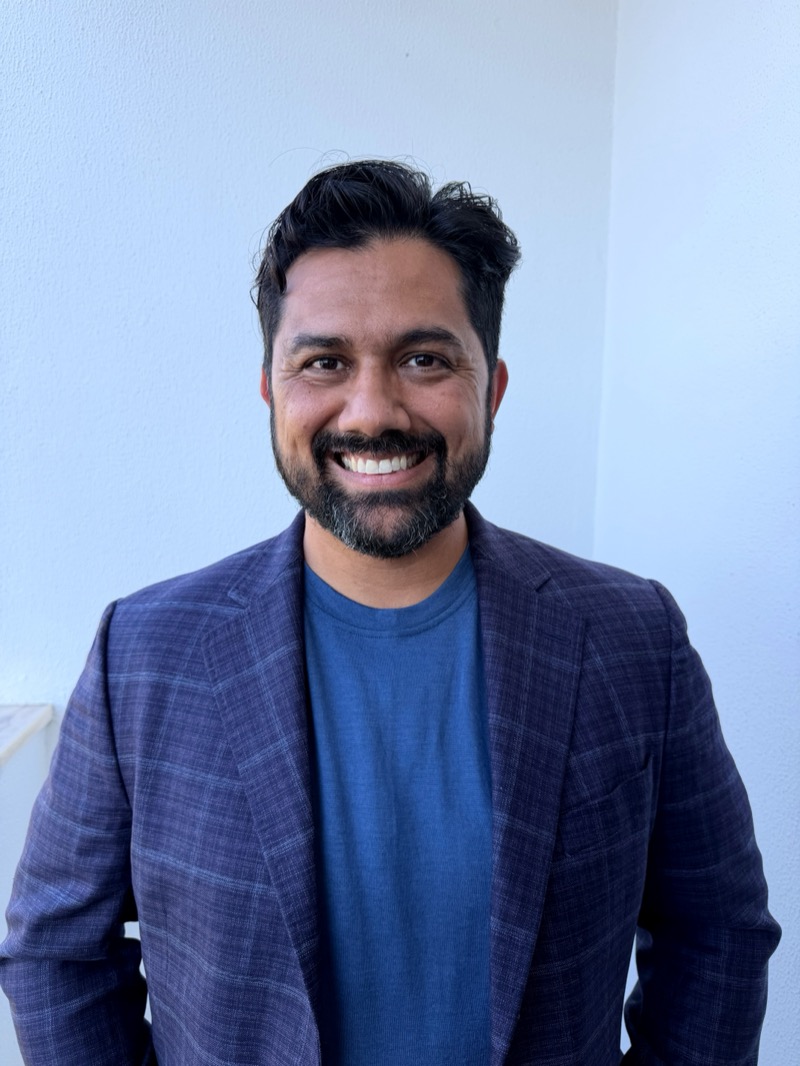
I've spent twenty years inside companies at the moment of technology commitment: as an engineer, running a manufacturer I co-founded, and as an operator and advisor. Not advising from the outside — in the rooms where the decisions get made, with people who have to live with the outcome.
Most AI failures I've seen weren't AI failures. They were diagnosis failures — operating models that didn't catch up, data that didn't exist, processes that shouldn't have been automated in the first place. The framework I use came from enough of those failures to recognize the pattern.
I don't sell tools, chatbots, or technology stacks. I sell diagnosis, strategy, and the discipline to make AI adoption land inside an operating business.
The full record: engineering, a manufacturer, and the work since.
New prompts, tips and essays from my own work, sent as a short digest.
Start with a conversation.
No deck. No pitch. We talk about where you are, what you've tried, and whether this approach fits what you need. If it doesn't, I'll tell you — and often who to call instead.